History · Destinations · 18 December 2022
Halabja
Halabja sits at the foot of the Hewraman region near the Iranian border. On 16 March 1988 it suffered the largest chemical attack on a civilian population in history.
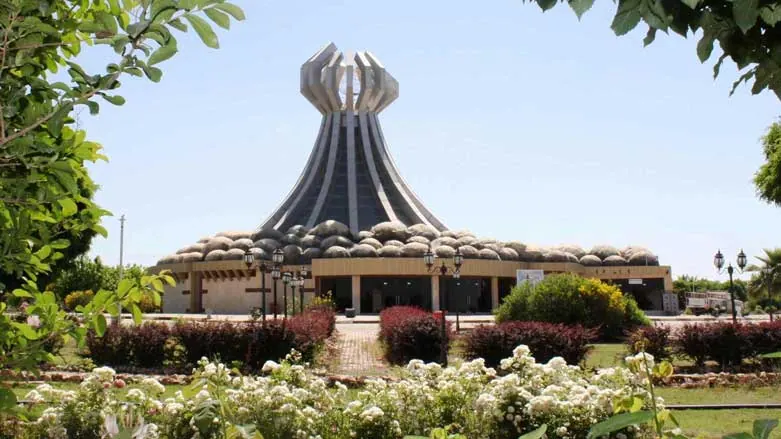
Halabja is a city in the Kurdistan Region of Iraq and the capital of Halabja Governorate. It lies about 79.6 km from Sulaymani and only 14 km from the Iranian border.
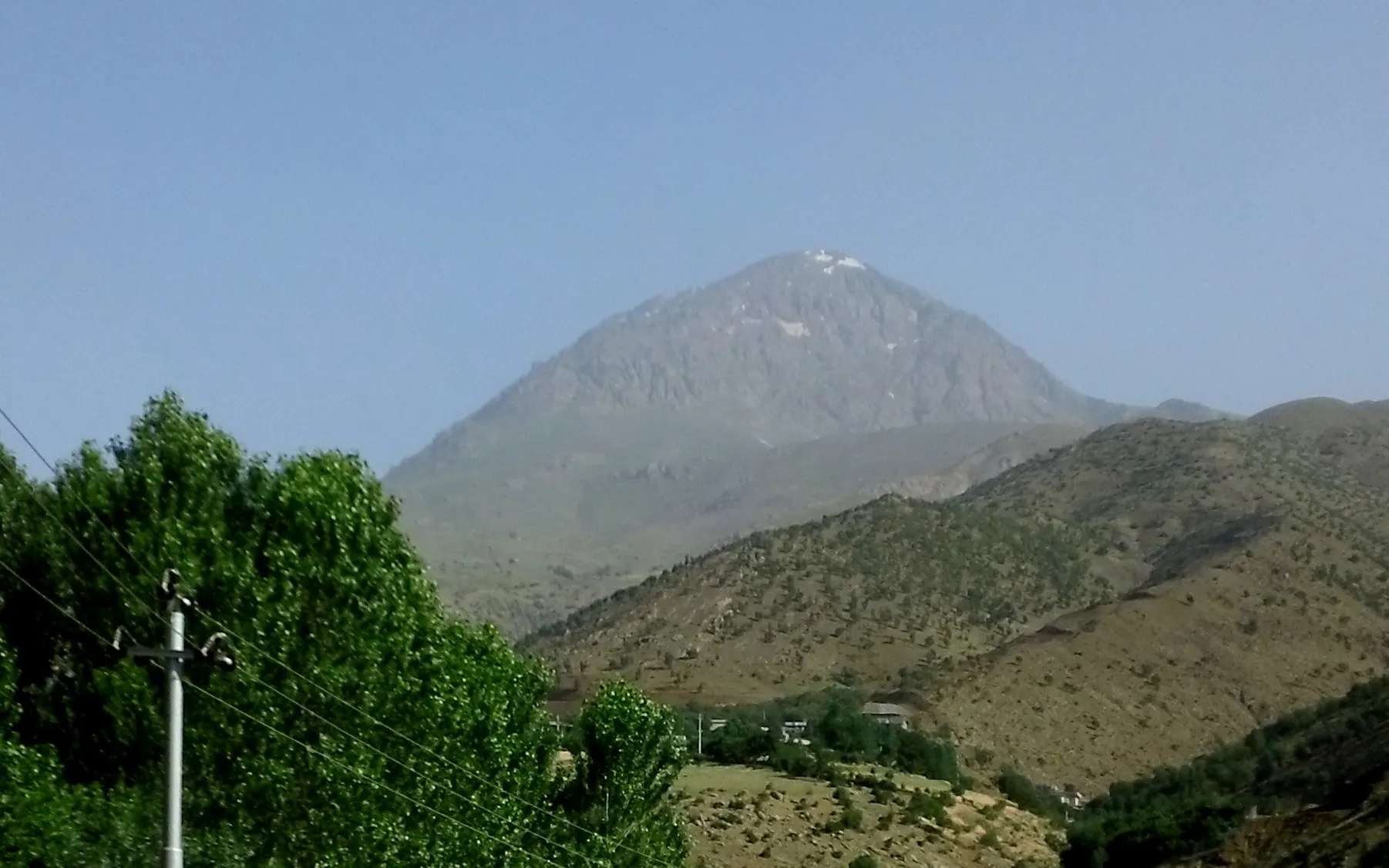
The city sits at the base of what is often called the greater Hewraman region, which stretches across the Iran-Iraq border. The Hawraman and Shnrwe ranges rise to the north-east, the Balambo range to the south and the Sirwan river runs to the west. Kurds in Halabja itself generally speak the Sorani dialect, while some residents of the surrounding villages speak Hewrami.
16 March 1988
The chemical attack on Halabja came in the final phase of the Iran-Iraq War, after Kurdish Peshmerga guerrillas supported by Iran had captured the town. At 11:00 AM on 16 March 1988, following two days of conventional artillery attacks, Iraqi planes dropped gas canisters on the town. Halabja and the surrounding district were hit with bombs, artillery fire and chemical weapons, and the chemical weapons proved the most devastating.
At least 5,000 people died as an immediate result of the attack, and an estimated 10,000 more were injured or suffered long-term illness. Most of the victims were Kurdish civilians. The assault on Halabja remains the largest chemical weapons attack against a civilian population in human history.
The attack is believed to have included the nerve agents Tabun, Sarin and VX as well as mustard gas. Former senior CIA analyst Stephen C. Pelletiere has argued that Iraq did not possess the nerve agent used, though it did have mustard gas, which it used throughout the Iran-Iraq War. An interdisciplinary scientific study from 2019, more than three decades later, shows that the attack has had long-term biological, psychological and social effects on the survivors.
Before the war ended, Iraqi forces moved in on the ground and completely destroyed the town. In March 2010 the Iraqi High Criminal Court recognised the Halabja massacre as genocide, a decision welcomed by the Kurdistan Regional Government. Today the Halabja Monument stands as a place of remembrance, and we include it in our Kurdistan tours so that visitors understand the modern history of the region as well as its landscapes.