

Memory · Halabja Governorate
Halabja
The capital of Halabja Governorate at the foot of the Hewraman region, and the site of the largest chemical weapons attack on a civilian population in history.
1 / 1
- Attack
- 16 March 1988, 11:00 am
- Killed
- At least 5,000
- Injured
- About 10,000
- Recognised as genocide
- March 2010
At the edge of Hewraman
Halabja is a city in the Kurdistan Region of Iraq and the capital of Halabja Governorate. It lies about 79.6 km from Sulaymani and 14 km from the Iranian border, at the base of what is often called the greater Hewraman region, which stretches across the Iran-Iraq border.
The city is framed by the Hawraman and Shnrwe ranges to the north-east, the Balambo range to the south and the Sirwan river to the west. People in the city generally speak the Sorani dialect of Kurdish, while some of the surrounding villages speak Hewrami.
16 March 1988
In the final phase of the Iran-Iraq War, Kurdish Peshmerga supported by Iran captured Halabja. At 11:00 am on 16 March 1988, after two days of conventional artillery fire, Iraqi planes dropped gas canisters on the town. Halabja and the surrounding district were hit with bombs, artillery and chemical weapons, and the chemicals were by far the most devastating.
At least 5,000 people died immediately, and an estimated 10,000 more were injured or suffered long-term illness. Most of the victims were Kurdish civilians. The attack is believed to have included the nerve agents Tabun, Sarin and VX as well as mustard gas, although former senior CIA analyst Stephen C. Pelletiere argued that Iraq did not have the nerve agent used and only had mustard gas. It remains the largest chemical weapons attack against a civilian population in human history.
Aftermath and recognition
Before the war ended, Iraqi forces moved in on the ground and completely destroyed the town. An interdisciplinary scientific study published in 2019, more than three decades later, showed that the attack has lasting biological, psychological and social effects on survivors.
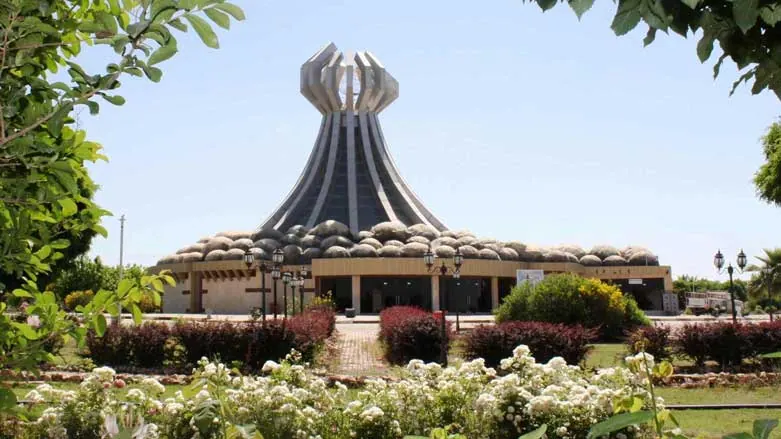
In March 2010 the Iraqi High Criminal Court recognised the Halabja massacre as genocide, a decision welcomed by the Kurdistan Regional Government. The Halabja Monument, visited on our Kurdistan tour, stands in memory of the victims.
Trips that go here
Trips that visit Halabja
More destinations