
Archaeology · Erbil Governorate
Shanidar Cave
A cave on Bradost Mountain where the remains of ten Neanderthals, 35,000 to 65,000 years old, changed how we think about our ancient relatives.
1 / 4
- Neanderthals found
- Ten, 35,000 to 65,000 years old
- First explored
- 1951, Ralph Solecki
- Proto-Neolithic cemetery
- About 10,600 years old, 35 individuals
- Coordinates
- 36.83 N, 44.22 E
On Bradost Mountain
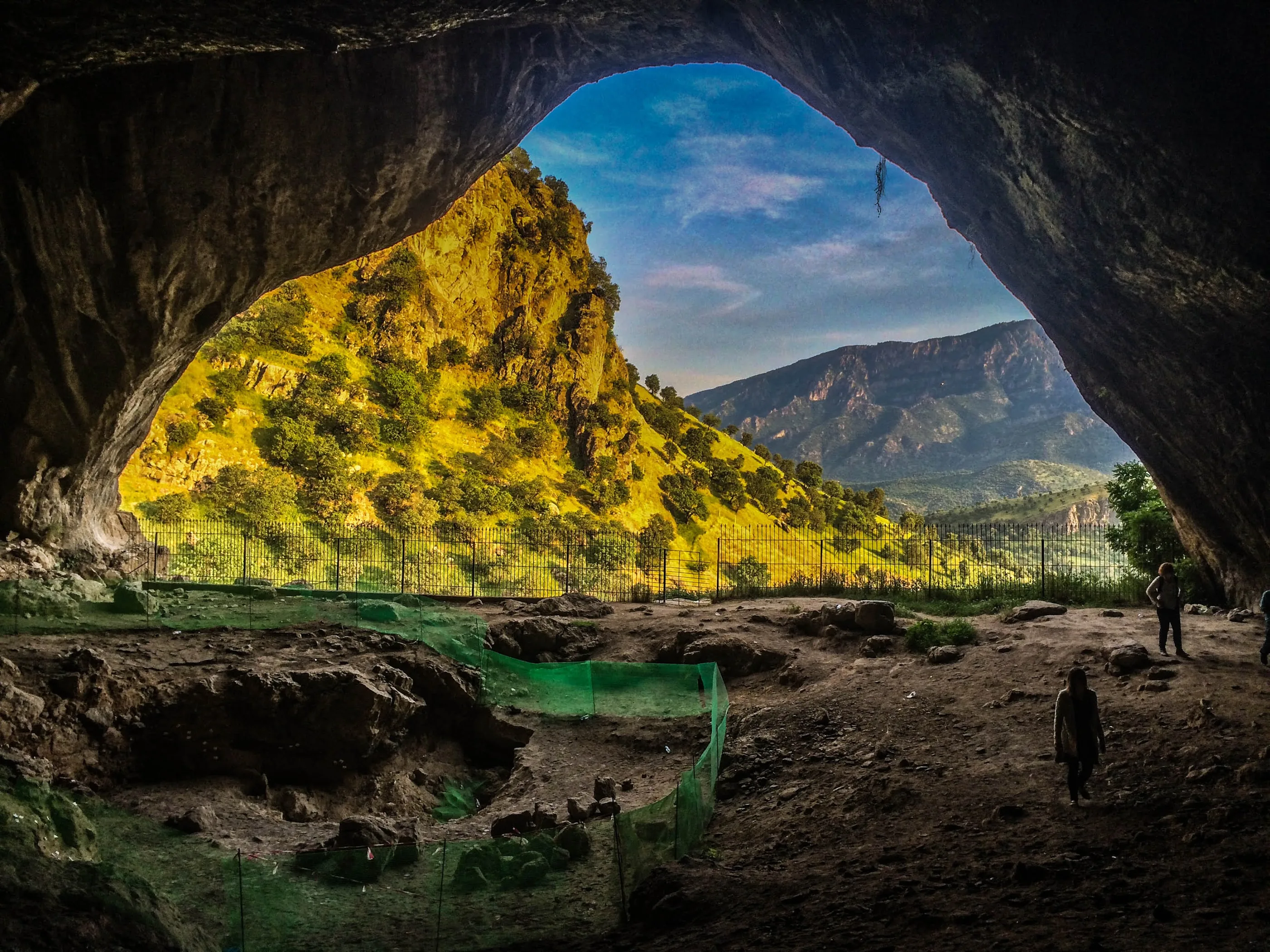
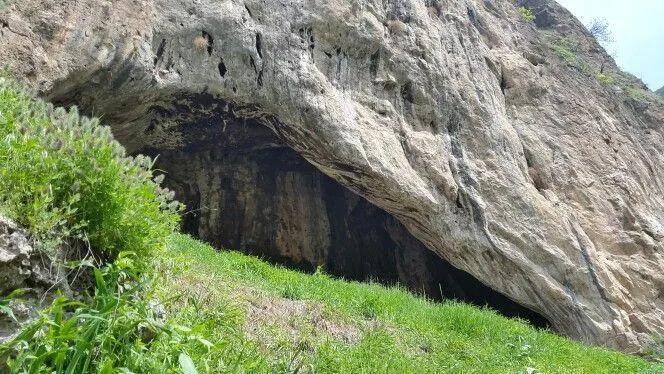
Shanidar Cave, Saneder in Kurdish, is an archaeological site on Bradost Mountain in the Zagros, in Erbil Governorate, close to the Great Zab river valley. It lies at about 36.83 N, 44.22 E.
The remains of ten Neanderthals dating from 35,000 to 65,000 years ago have been found inside, within a Mousterian layer that also held hundreds of stone tools and bones of wild goats and spur-thighed tortoises. The cave also contains two later proto-Neolithic cemeteries; one is about 10,600 years old and holds 35 individuals.
The excavations
Anthropologist Ralph Solecki first explored the site with a sounding in 1951 and returned in 1953, when the first human remains, an infant of Mousterian age, were found. Between 1956 and 1961 Solecki and a team from Columbia University excavated the first nine Neanderthals, Shanidar 1 to 9, along with Neolithic skeletons.
The skeleton of Shanidar 3 is held at the Smithsonian Institution in Washington. The others stayed in Iraq and may have been lost during the 2003 invasion, although casts remain at the Smithsonian. In 2006, while sorting animal bones from the site at the Smithsonian, Melinda Zeder found leg and foot bones from a tenth individual, now known as Shanidar 10. In February 2020 researchers announced the discovery of further Neanderthal remains more than 70,000 years old.
Nandy and the flower burial
Shanidar 1, known to his excavators as Nandy, was a male aged 40 to 50, remarkably old for a Neanderthal. He had survived a crushing blow to the left side of his face that probably blinded one eye, a withered right arm that had lost its lower part, and injuries that would have left him with a painful limp. All had healed long before his death, which suggests that his group looked after their sick and aged.
Shanidar 4, found by Solecki in 1960, lay on his left side in a partial fetal position. Soil samples analysed years later contained whole clumps of pollen from yarrow, cornflower, grape hyacinth, hollyhock and other flowers, and for decades this was read as a Neanderthal burial with flowers, perhaps even of a medicine man. More recent work points instead to the Persian jird, a burrowing rodent common at the site that stores seeds and flowers in its burrows, as the likely source of the pollen.
Visiting
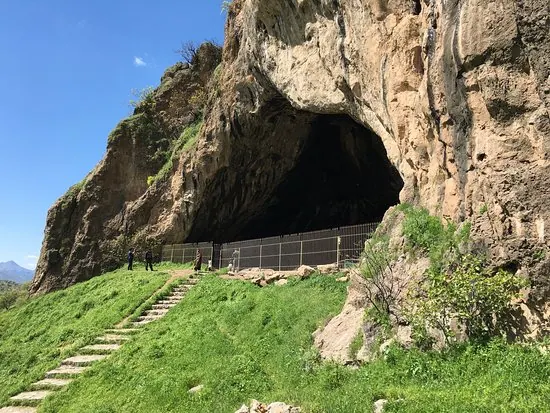
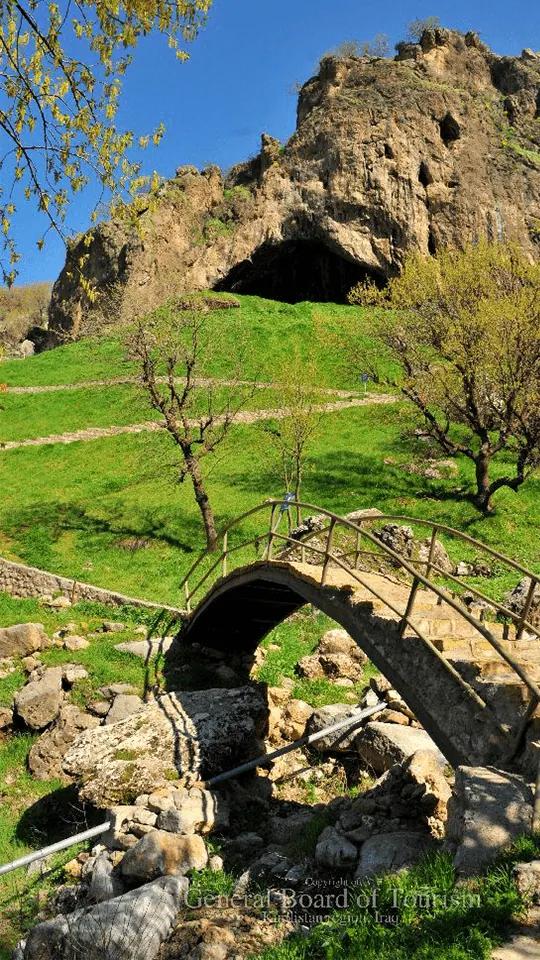
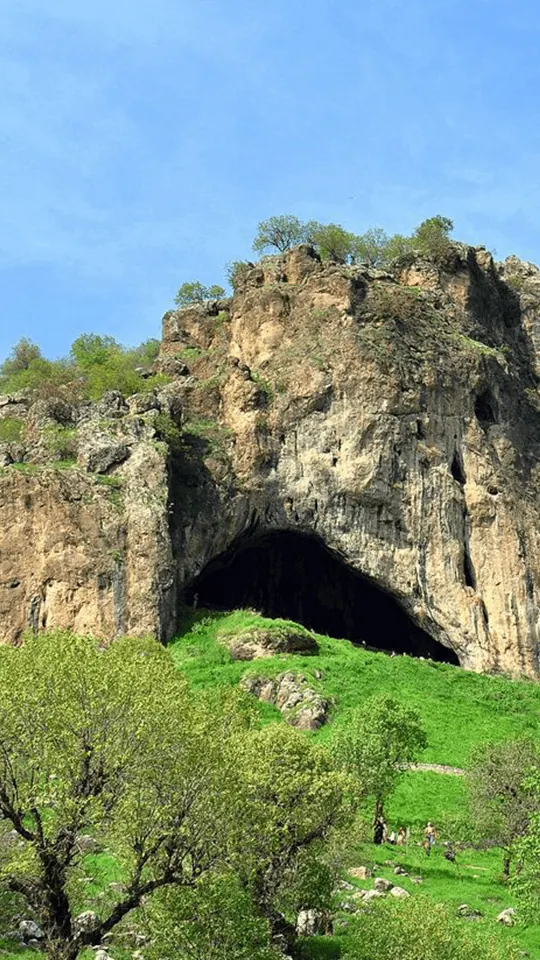
Shanidar is an easy stop on the road between Erbil, Akre and the Rawanduz area, and it features on day three of our 10-day Kurdistan tour. Steps lead up from the valley to the wide mouth of the cave, which looks out over the green slopes of Bradost.
Trips that go here
Trips that visit Shanidar Cave
More destinations