
Region · Kurdistan Region of Iraq
The Kurdistan Region
An autonomous region in northern Iraq with four governorates, around five million people and a culture shaped by mountains, Nawroz and a long struggle for self-rule.
1 / 3
- Governorates
- Erbil, Sulaymaniyah, Duhok, Halabja
- Population
- About 5 million
- Flag adopted
- 1992 (design from 1920)
- Nawroz
- 20 to 21 March
Four governorates on three borders
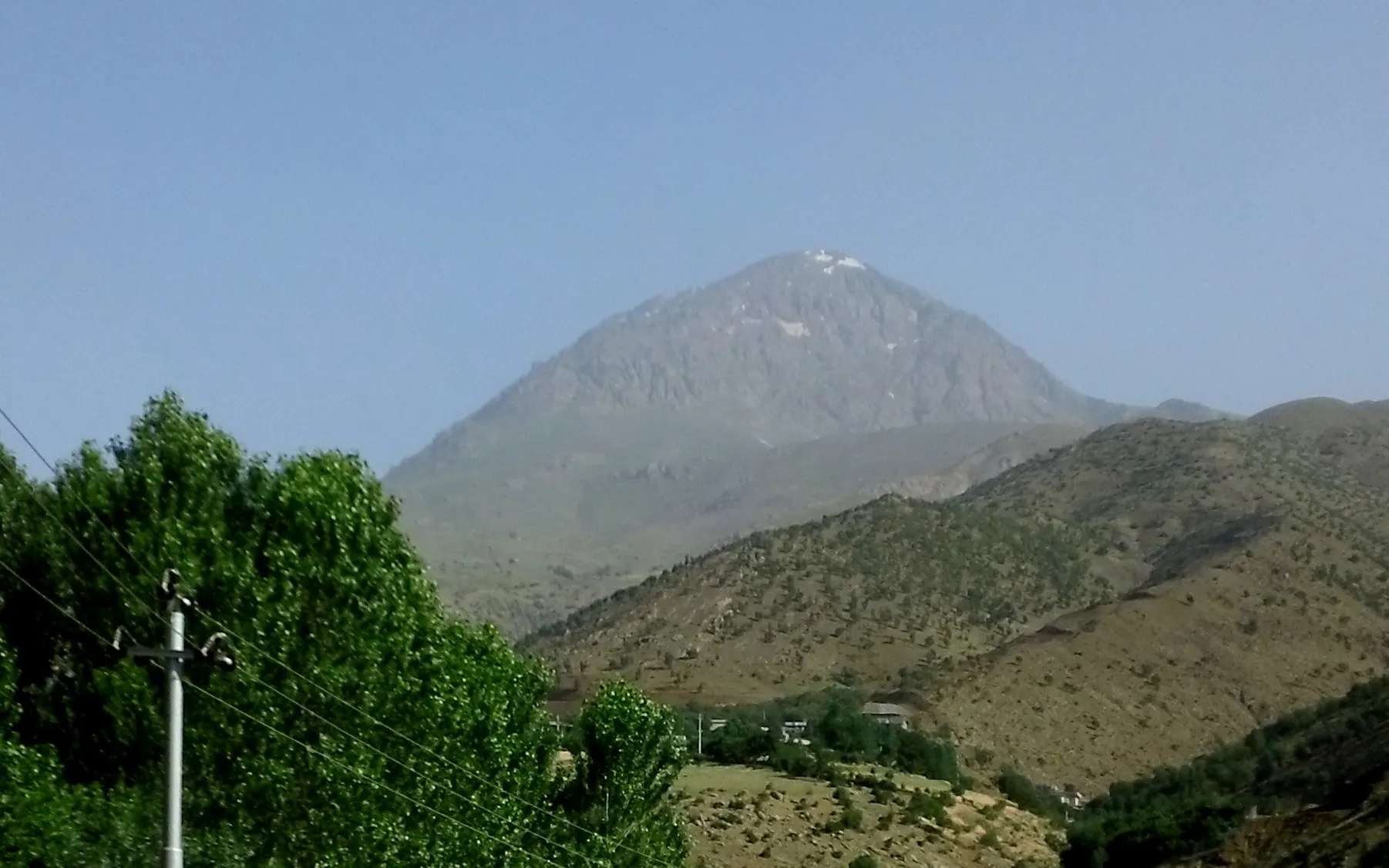
The Kurdistan Region of Iraq is an autonomous region in the north of the country and home to a large Kurdish population. It is made up of four governorates: Erbil, Sulaymaniyah, Duhok and Halabja. Together they share borders with Iran, Syria and Turkey, in the area known as Iraqi Kurdistan.
Around five million people live here, with a diverse mix of cultures and languages. The region's history is long and complex. Through the 20th century the Kurds of Iraq struggled for autonomy and independence, and faced Arabization, genocide and other forms of oppression from the central government in Baghdad.
After the Gulf War in 1991, no-fly zones over most of Iraqi Kurdistan allowed the Kurds to experiment with self-governance and establish an autonomous region. Baghdad only recognised the autonomy of the Kurdistan Region after the fall of Saddam Hussein in 2003. Today it is the only part of the wider Kurdistan, which also spans parts of Syria, Turkey and Iran, with an official autonomous status.
The flag
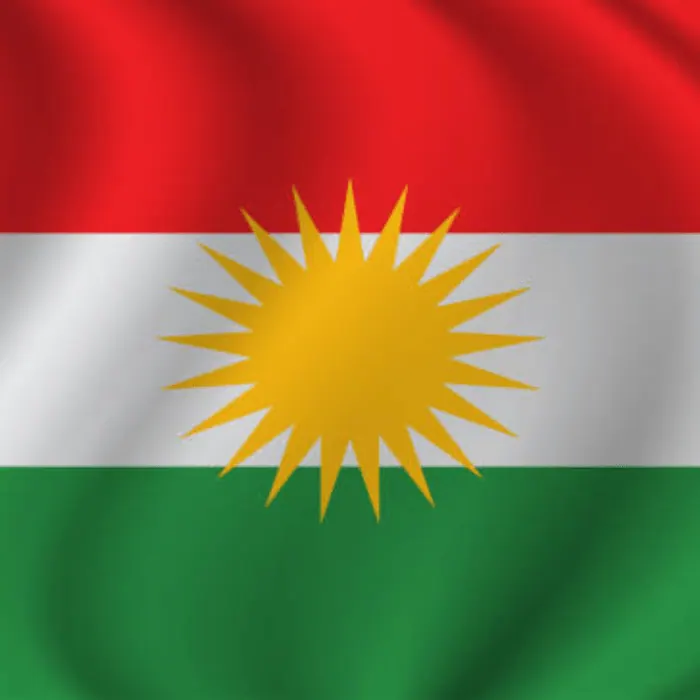
The flag of Kurdistan is a symbol of the Kurdish people and their struggle for autonomy and independence. It was first created by the Society for the Rise of Kurdistan in 1920 and has been adopted by various Kurdish states through history.
The best-known version is the one used by the Kurdistan Region of Iraq, adopted in 1992: a yellow sun with 21 rays on a red, white and green field. The rays stand for the 21 Kurdish provinces that make up the region.
The Peshmerga
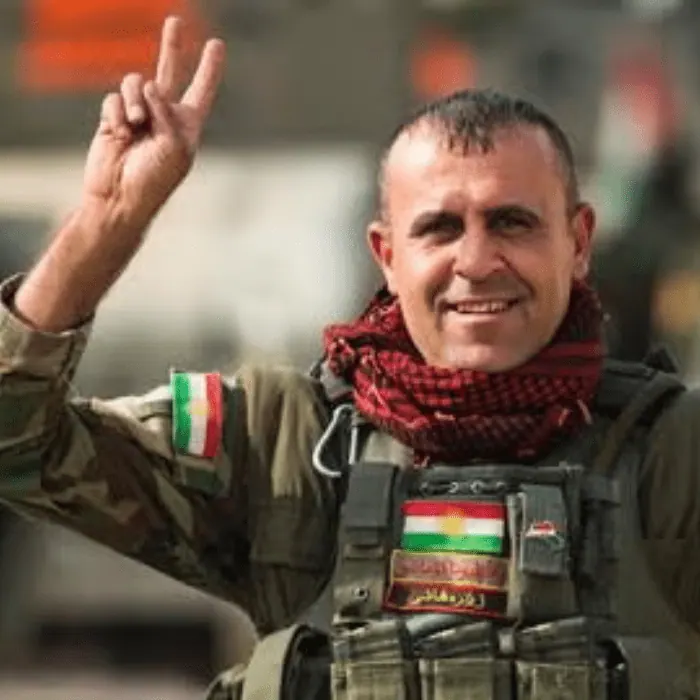
The Peshmerga, meaning "those who face death", are the military forces of the Kurdistan Region. They are responsible for the security of the region and for protecting its people from external threats.
Their history goes back to the 18th century, when they served as a tribal border guard for the Ottoman and Safavid empires. In the 19th century they became a well-trained, disciplined guerrilla force and played a key role in the struggle for Kurdish autonomy. Today the Peshmerga are under the Kurdistan Regional Government's Ministry of Peshmerga Affairs. In 2003 they took part in the mission to capture Saddam Hussein, and they have since fought ISIS in Iraq and Syria as a reliable partner of the international coalition.
Nawroz
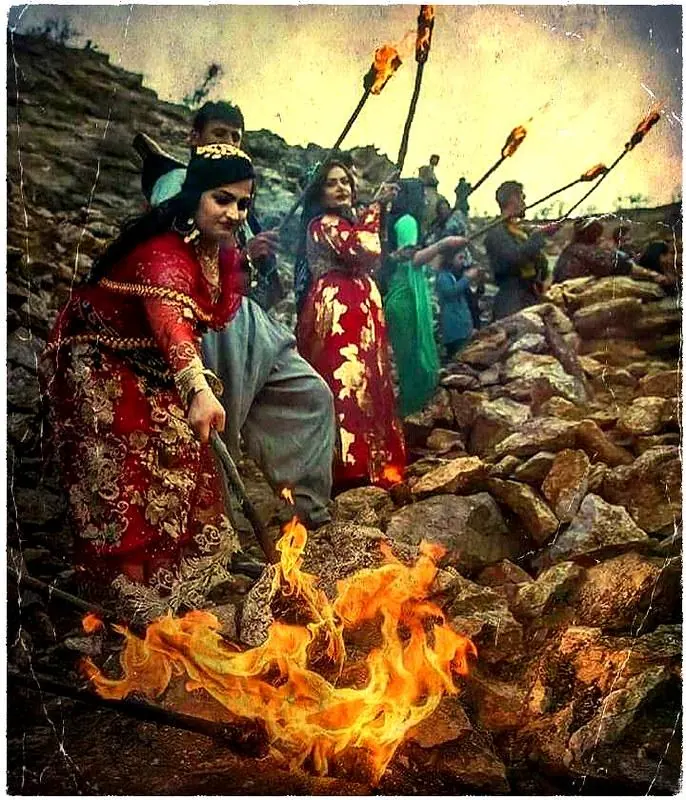
The legend of the arrival of spring comes from ancient Iranian stories, retold in texts such as the Shahnameh and the Sharafnama. An evil Assyrian king named Zuhak conquered Iran and ruled for a thousand years, and spring stopped coming to Kurdistan. Every day two young men were sacrificed to Zuhak's serpents. A nobleman named Fereydun led a revolt, carried forward by a blacksmith called Kaveh, or Kawa, who had lost six sons to the king. Kaveh trained the young men saved from sacrifice into an army, marched on the castle and killed Zuhak with his hammer.
The lighting of fires on 20 March, the day of Kaveh's victory, became a symbol of freedom and a reminder of Kurdish strength. Jumping over the fire is still part of the tradition. The festival itself marks the first day of spring on 21 March and the new year of the Kurdish calendar, a time of dancing, singing, games, special food and poetry. Bonfires on the eve of Nawroz mark the end of winter and the arrival of spring, and the celebration remains a central part of Kurdish identity.
Kurdish clothes
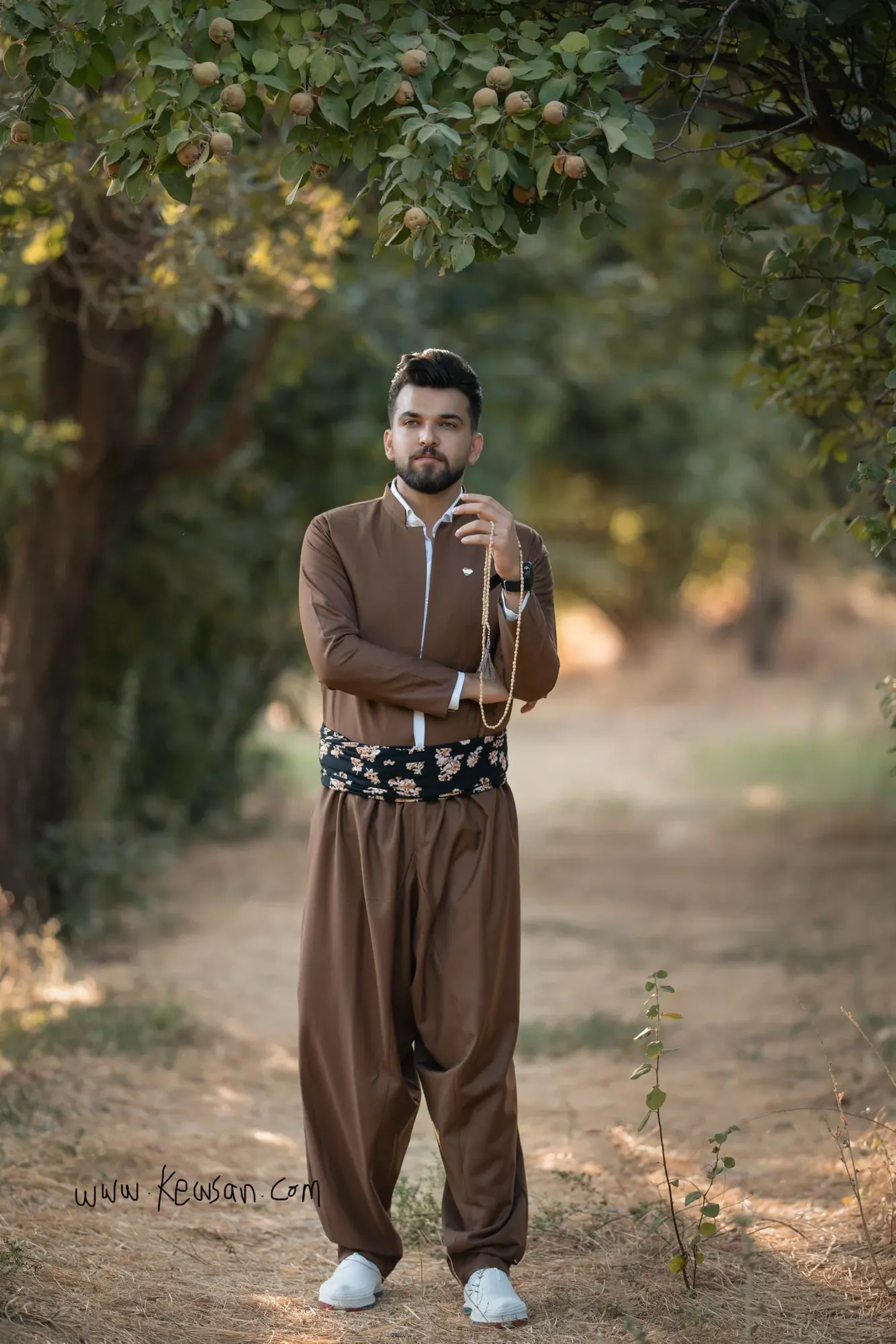
Kurdish men wear their traditional clothes routinely, not only on special occasions. The outfit has two or three pieces: a top like a closed jacket, wide trousers called shalvar that close tightly at the ankles, a length of cloth wrapped around the waist called a pshten, and a type of shoe called klash.
Women's traditional dress includes a vest called a helag or a long-sleeved jacket called a salta or kawaa, worn with a long overcoat over a gown, an underdress and puffy trousers beneath, and a belt over the gown. Women once wore Kurdish hats decorated with coloured stones, beads and gold pieces; today gold jewellery is the more common accessory.
Some older women still wear the dress daily, usually in modest colours with little embroidery. Younger women and girls choose bright dresses covered in beads and sequins for special occasions, while older women wear darker colours and more gold, since brides traditionally received a dowry of gold jewellery from the groom.
Trips that go here
Trips that visit The Kurdistan Region
More destinations