History · Destinations · 17 November 2022
Hamilton Road
A New Zealand engineer, four years in the mountains from 1928, and the most exciting piece of road building of its day through the Rawanduz gorge.
Road Through Kurdistan, a book by A. M. Hamilton, describes the work of a New Zealand engineer during the four years he spent in the mountains of Kurdistan from 1928. He was in sole charge of large gangs of local workmen, whom he trained to carry out technical work.
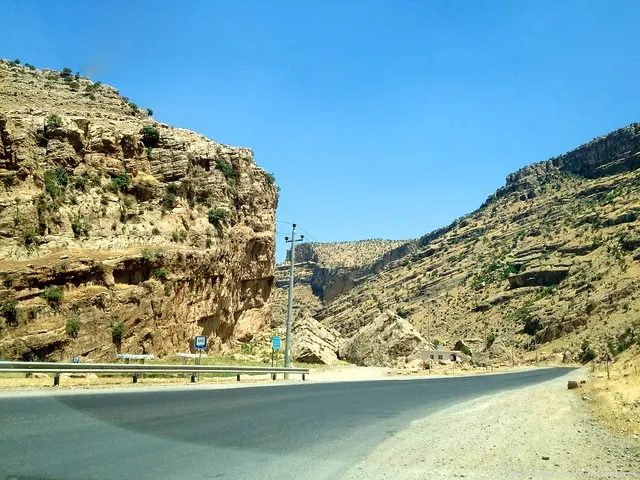
The result was the most exciting piece of road making of its day: the highway known as the Rawanduz Road. Rawanduz is a town in the Erbil Governorate of the Kurdistan Region, close to the borders with Iran and Turkey. During the Second World War the road was used by the Allies to send supplies to Russia.
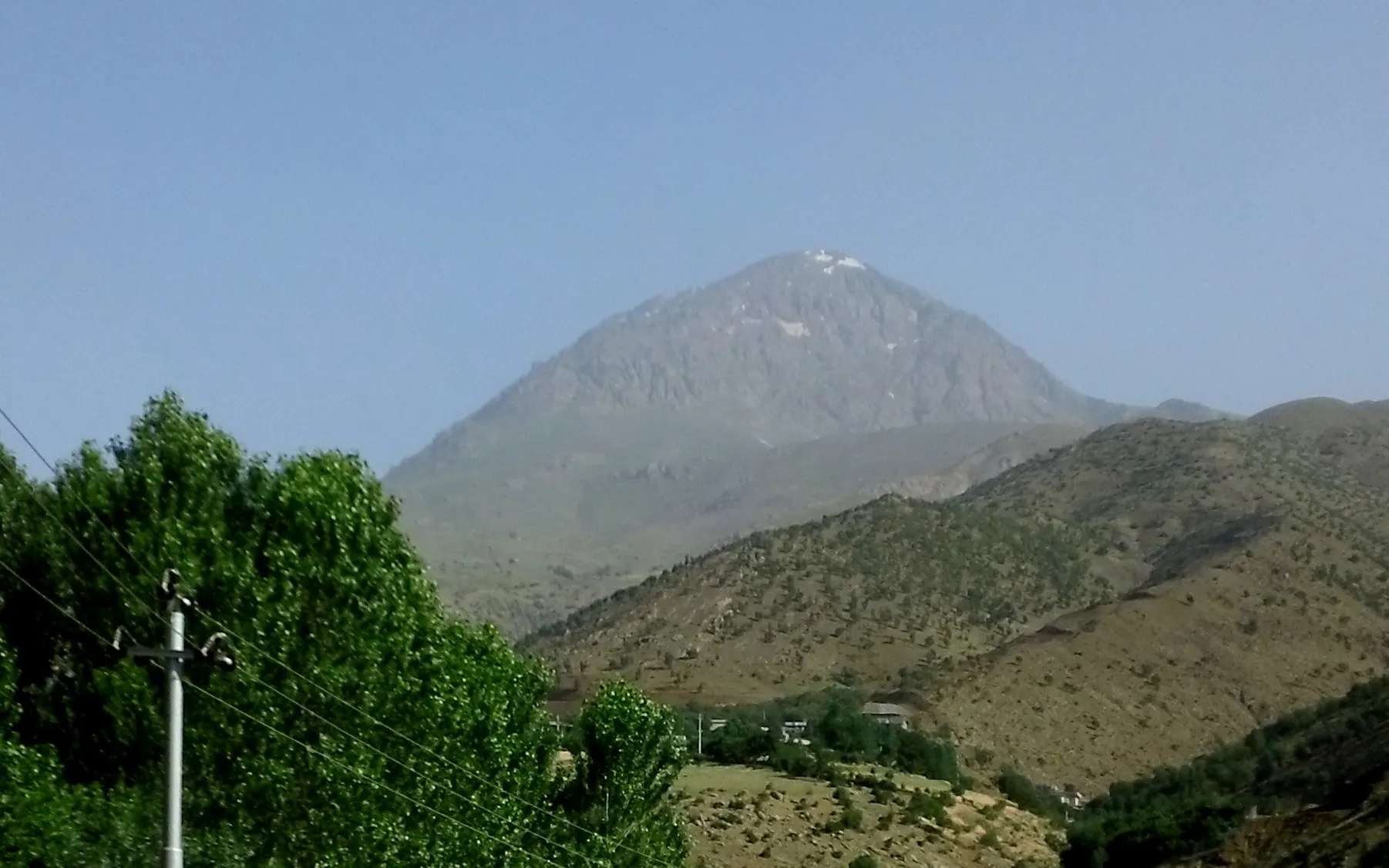
Many British soldiers drove up its hairpin bends and along the great Rawanduz Gorge, looking up at the mountain tops where the young engineer, in his spare moments, hunted ibex or explored the Treasure Cave of the Ancient Kings, and passing the spot where Ismail Beg, the young baron of Kurdistan, met an untimely death.
Why the road carries his name
The road is named after Hamilton because of the times in which it was built. All the surrounding lands were in a state of violent ferment, Kurds and Arabs were fighting, and everyone was heavily armed. Yet apart from a fortified camp or village, peace and order thrived along the road Hamilton was building. His small group of Persians, Kurds, Assyrians and Arabs wandered freely and unbothered.
His leadership, personal talent, sense of justice and constant concern for the wellbeing of his men earned him the respect without which the work could not have been completed, and a great deal of admiration besides.
We drive the Hamilton Road on the way from Erbil to Choman, passing Bekhal and Gali Ali Beg waterfalls and the Rawanduz canyon. It is one of the most scenic drives in the region.