History · Destinations · 17 November 2022
Shanidar Cave
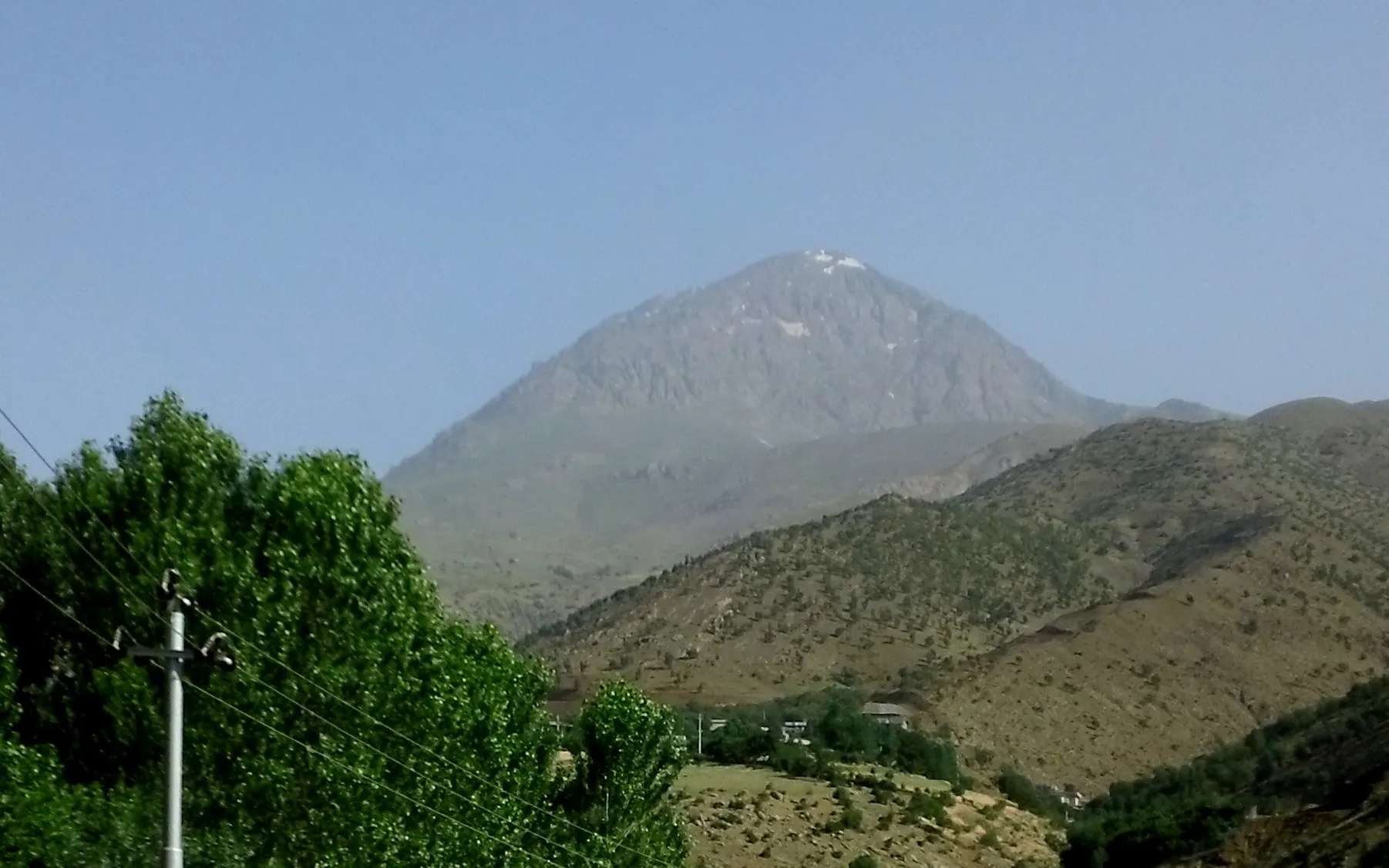
Ten Neanderthals, 35,000 to 65,000 years old, were found in this cave on Bradost Mountain. New remains announced in 2020 date back more than 70,000 years.
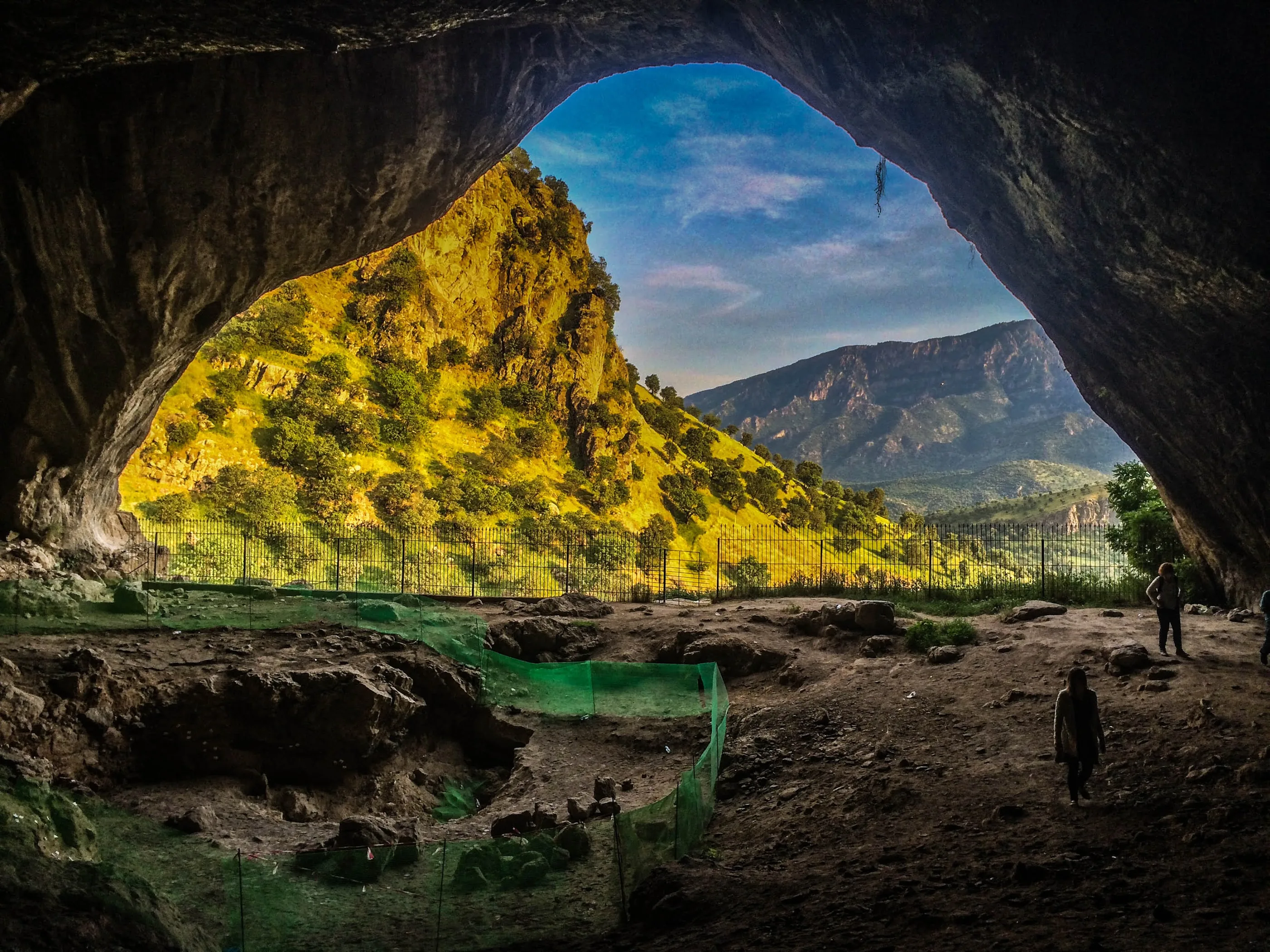
Shanidar Cave is an archaeological site on Bradost Mountain in the Kurdistan Region of Iraq. The remains of ten Neanderthals, dating from 35,000 to 65,000 years ago, have been found inside. The cave also holds two later proto-Neolithic cemeteries, one of which dates back about 10,600 years and contains 35 individuals.
The best known of the Neanderthals are Shanidar 1, who survived several serious injuries during his life, possibly thanks to care from other members of his group, and Shanidar 4, whose body lay beside flowers that have been read either as evidence of a burial ritual or as contamination by burrowing animals.
The site lies within the Zagros Mountains in Erbil Governorate, close to the valley of the Great Zab river. In February 2020 researchers announced the discovery of further Neanderthal remains, dating back more than 70,000 years.
The excavations
The anthropologist Ralph Solecki first explored the site with a sounding in 1951 and returned in 1953 for another. That season produced the first human remains: a Mousterian-age infant, possibly Neanderthal. In 1956 and 1957 the team made soundings at two nearby village sites and continued work in the cave, where three unfossilised Neanderthal skeletons were found. One was nearly complete, one fragmentary, and for the third only the skull was excavated at the time. Two Neolithic skeletons, an infant and a female teenager, were also recovered.
Today a path and steps lead up to the wide cave mouth, and the view back out over the valley is worth the climb on its own. We visit Shanidar on the third day of our Kurdistan tour.