History · Culture · Destinations · 17 November 2022
Sulaymani
Founded in 1784 and long a home of poets and politics, Sulaymani is the Kurdistan Region's second city. Its most important visit is the Amna Suraka museum.
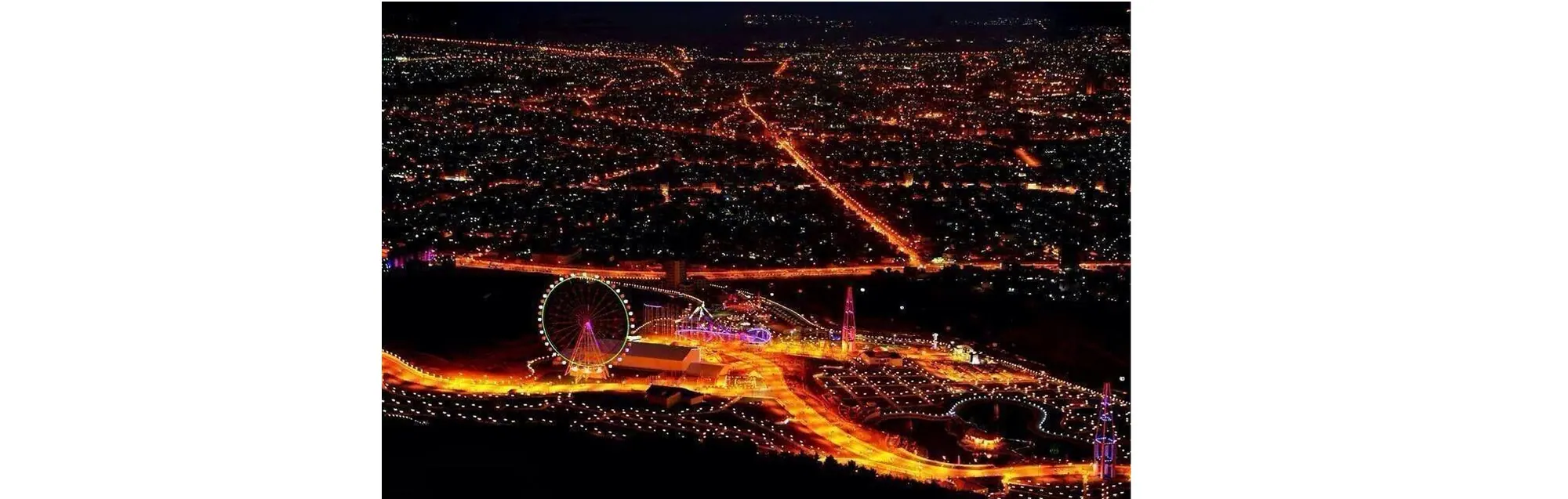
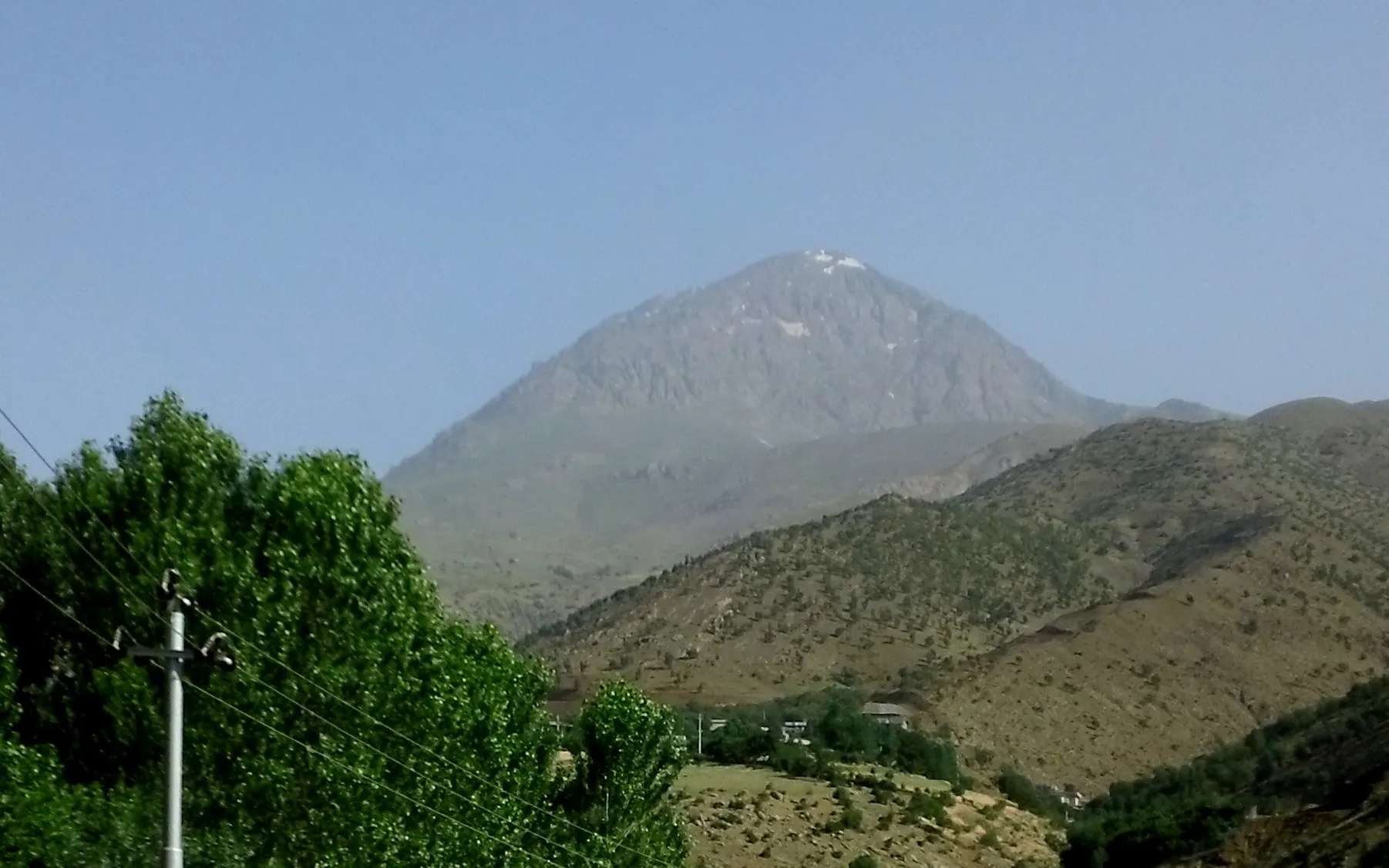
Sulaymani is a city in the east of the Kurdistan Region of Iraq, not far from the Iran-Iraq border. The Azmar, Goizha and Qaiwan mountains rise to the north-east, Baranan Mountain to the south and the Tasluja hills to the west. The climate is semi-arid, with very hot dry summers and cold wet winters.
Like Erbil, the region's second city is expanding fast. The modern city was founded in 1784 by Prince Ibrahim Pasha Baban, who named it after his father Suleiman Pasha. From the start it was a centre of culture, history and politics, and a home of great poets, writers, historians, scholars and singers such as Nali, Mahwi and Piramerd. It was the capital of the Baban principality from 1784 to 1850 and, from 1922 to 1924, the capital of the short-lived Kingdom of Kurdistan declared after the collapse of the Ottoman Empire.
Of the main population centres in Iraq, Sulaymani stands out for its cooler summers and rainier winters. Average temperatures range from 0 to 39 degrees Celsius, and snow falls every year or two. It is also widely seen as the most cosmopolitan and liveable city in Iraq.
Amna Suraka, the Red Security
The most important visit in the city is Amna Suraka. In Kurdish the name means Red Security, after the red and brown brick of the main building. This complex was the northern headquarters of the Ba'ath regime's intelligence service, the Mukhabarat. Thousands of people, mostly Kurds but also Iraqis and Syrians, were imprisoned, tortured and killed here, and many who entered were never seen alive again.
In 1991, during the Gulf War uprising, Kurdish Peshmerga broke into the prison and liberated it. The survivors returned to their families and the complex fell silent. Rather than knock it down, the Kurds kept it as it was and turned it into a museum in 2003. Amna Suraka is considered Iraq's first museum of this kind.
What you will see
- The exterior walls and corner watchtowers, still pocked with bullet holes and deliberately left as they were in 1991.
- The Hall of Mirrors: 182,000 shards of mirror line the walls, one for every person killed in the Anfal campaign.
- A reconstructed traditional Kurdish family home at the end of the hall, a quiet reminder of how life should have been.
- The courtyard of war weapons: tanks, trucks, cannons and guns left rusting where they stand.
- The main building, with its cells and torture rooms below ground and a photo museum lit only by red lights, with no words or music.
Practical details
Entry is free and there is no ticket, map or leaflet. A soldier mans the gate, and the staff inside will show you around if you ask, though many visitors prefer to walk the site alone. Photography is allowed. The museum is generally open every day except Friday, usually from 9 am to noon and from 2 pm to 4 pm, but hours can change, so allow at least two days in the city to be sure of a visit.
It is an easy walk from the centre. Leave the main bazaar through the entrance arch onto Salim Street, pass the large Sulaymaniyah Palace Hotel on your left and continue for just under a kilometre. Turn right at the Chamber of Commerce, where Iraq and Kurdistan flags fly, onto 21st Street, carry on past the roundabout for about 200 metres and the walled complex is in front of you. Walk left around the perimeter and the entrance is on the right.
We include Amna Suraka, the bazaar and the Azmar hill viewpoint on the fifth day of our Kurdistan tour. It is not an easy visit, but it is an essential one.