
Culture · Nineveh Governorate
Lalish
A small mountain valley village thousands of years old that holds the holiest temple of the Yezidi faith and the tomb of Sheikh Adi.
1 / 2
- Age
- About 4,000 years, some say 7,000
- Pilgrimage
- Six days, 6 to 12 October
- District
- Shekhan, Nineveh Governorate
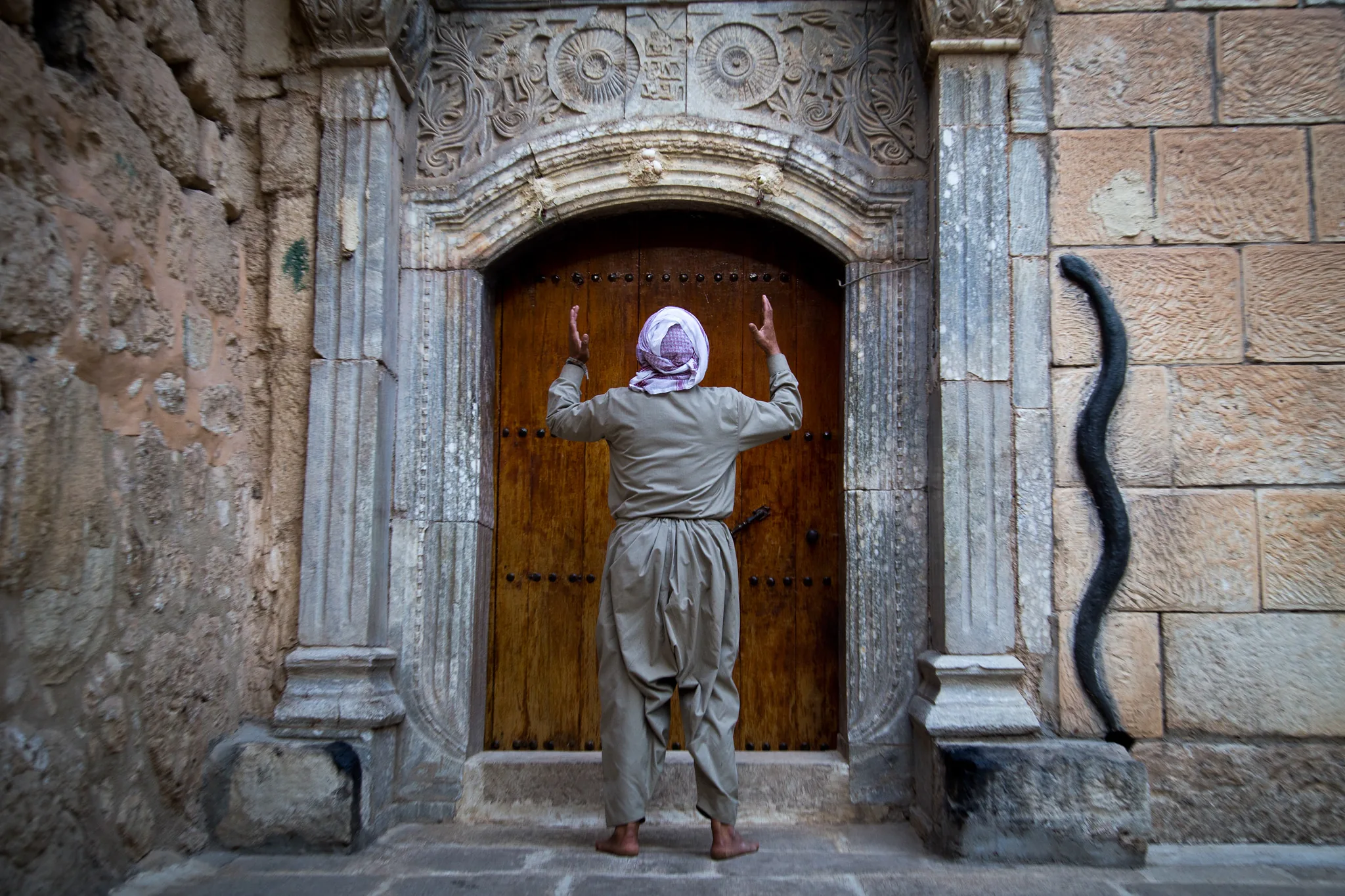
The holiest place of the Yezidis
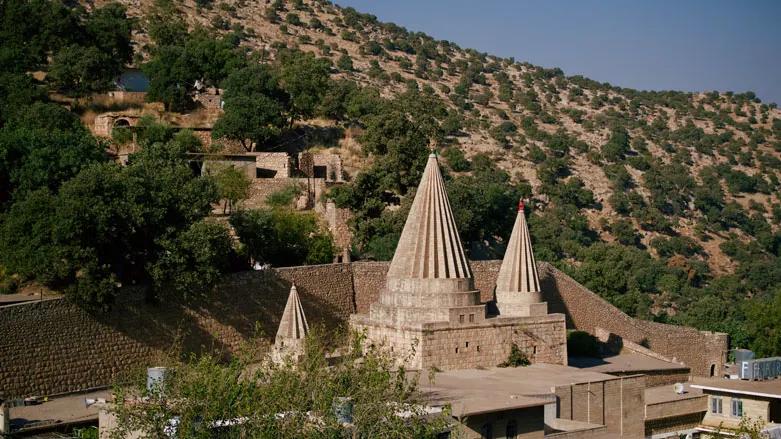
Lalish, also called Lalisa Nurani, is a small mountain valley village dating back about 4,000 years, and some argue 7,000. It lies in the Shekhan District of Nineveh Governorate in northern Iraq, near the border with the Kurdistan Region, and contains the holiest temple in the Yezidi faith.
Many archaeologists and historians agree that the temple belonged to the Sumerian and other ancient Mesopotamian civilisations, and from as early as the 25th century BC through to the 7th century AD the whole of northern Iraq was part of Assyria. Later it became the site of the tomb of Sheikh Adi ibn Musafir, a central figure of the Yezidi faith.
Pilgrimage and sacred springs
The village sits above the town of Shekhan, which had the second-largest Yezidi population before the persecution of Yezidis by ISIS. At least once in their lifetime, Yezidis are expected to make a six-day pilgrimage to Lalish to visit the tomb of Sheikh Adi and the other sacred places; the pilgrimage is celebrated from 6 to 12 October.
Two sacred springs, Zamzam, in a cave below Sheikh Adi's sanctuary, and Kaniya, flow here. Lalish is also the location of the Serat Bridge and of a mountain called Mount Arafat.
Visiting Lalish
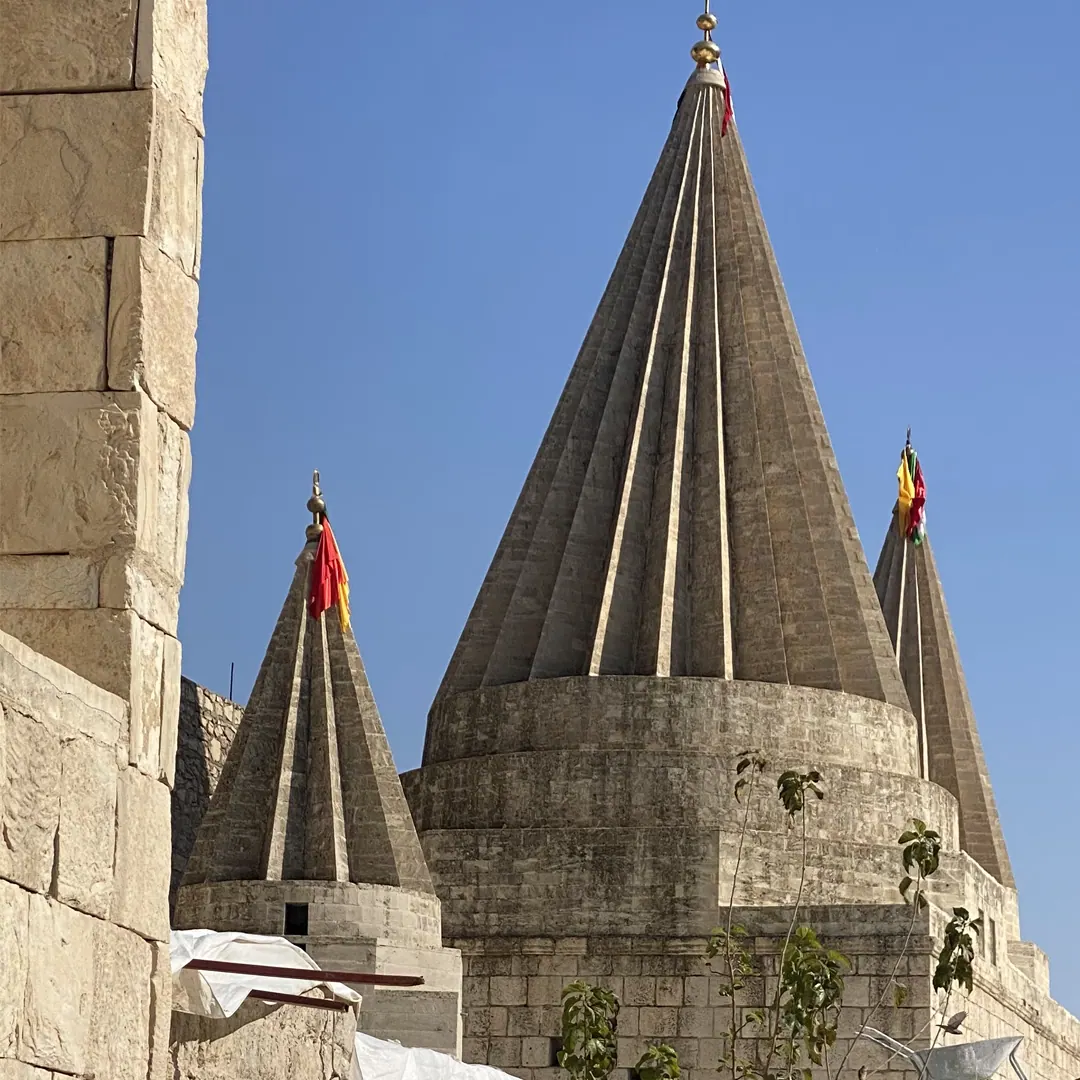
Visitors remove their shoes to walk the stone courtyards beneath the fluted conical spires. We visit Lalish on day two of the Kurdistan tour, often staying nearby in a homestay, and it is one of the final stops on the Grand Iraq tour.
Trips that go here
Trips that visit Lalish
More destinations